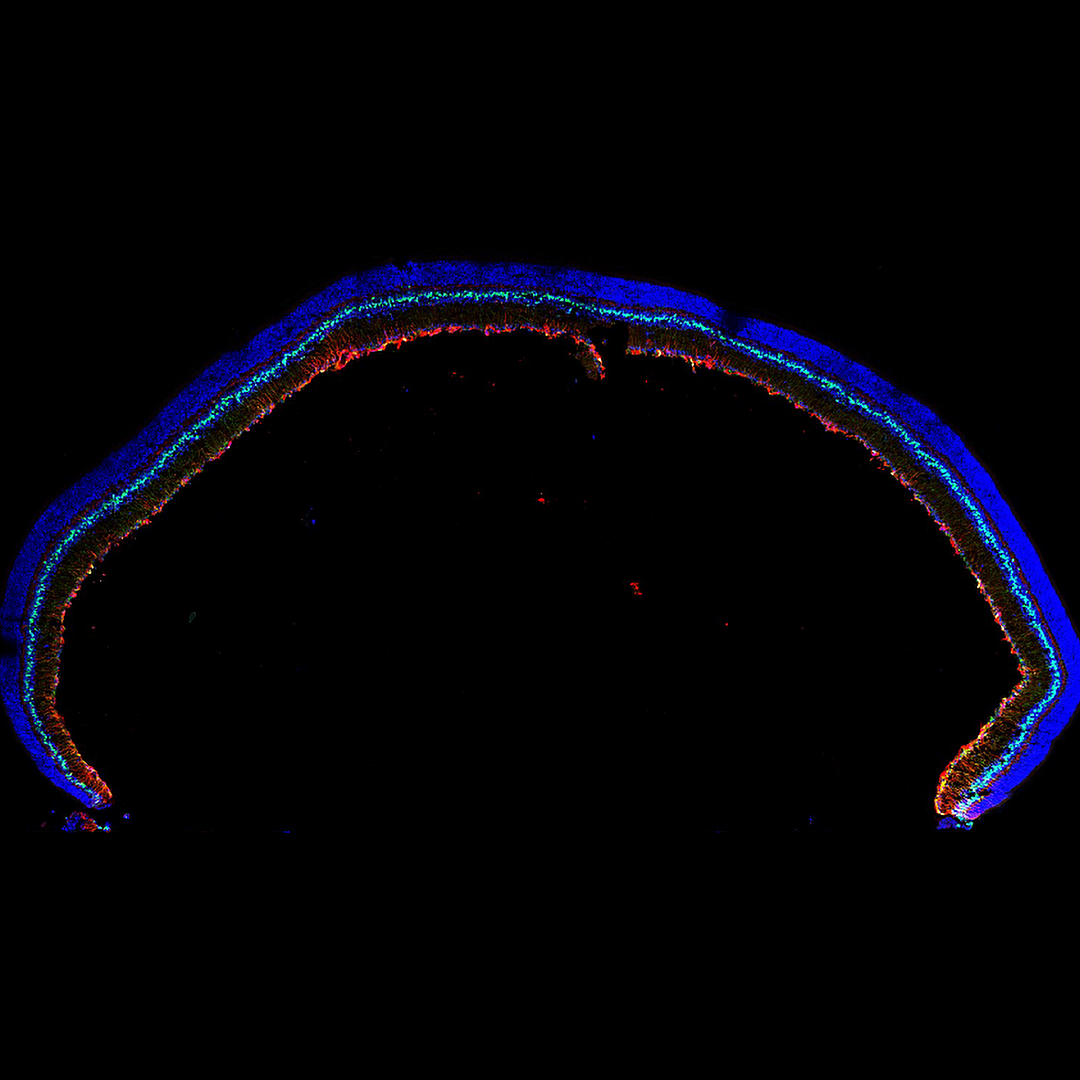
Hoang Lab at the University of Michigan
The central nervous system is a highly intricate structure, composed of diverse subtypes of neurons and glia. Despite their crucial importance, neurons are highly vulnerable to damage and disease, which can lead to neurodegenerative disorders.
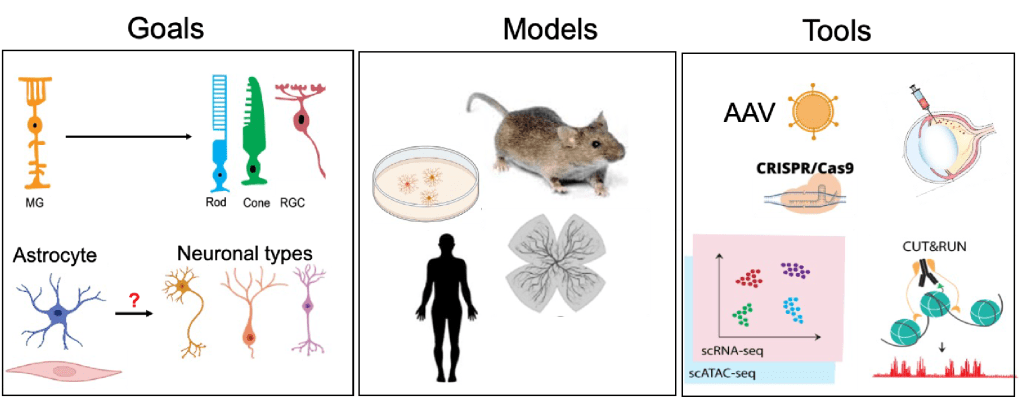
We focus on three main themes:
Regeneration of Neurons via cell reprogramming
Certain cold-blooded animals, such as zebrafish, can regenerate neurons after injury via endogenous reprogramming of glial cells. However, this remarkable regenerative capacity is largely lost in mammals. We have recently identified both evolutionarily conserved and species-specific gene networks that control glial quiescence, reactivity, and neurogenesis among different species. With high-throughput omic approaches and genetic tools, we are targeting genes at the top of gene networks to generate the desired cell types that are lost to injury/diseases. Our goal is to develop cell-based therapies for neurodegenerative diseases.

Investigating cell type specification during neurodevelopment
Specifically, we study the molecular mechanisms regulating gene expression and how changes in gene expression drive cell fates during neurodevelopment and adult neurogenesis in the brain and retina.
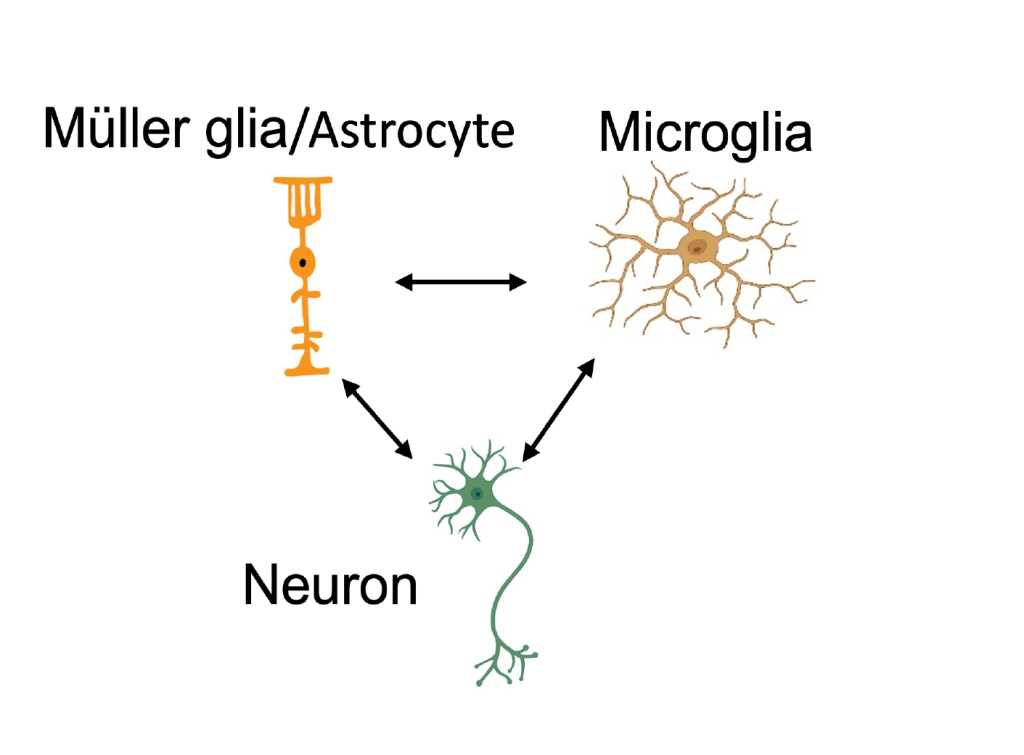
Modulating the cell interactions for neuroprotection
We are particularly interested in interactions between neurons and glia, during injuries and in neurodegeneration. By modulating these interactions, we aim to protect neurons and promote the regeneration of lost neurons.

Kellogg Eye Center
University of Michigan • Ann Arbor
 hoanglabregen.com